
Environmental
Homa Bay County
has been actively addressing environmental challenges, particularly in climate change adaptation and risk assessment. The county has developed a Climate Change Action Plan (2023-2027), which outlines strategies for resilience against climate hazards
The county also has a Climate Change Policy (2021) that provides a framework for governance and adaptation efforts. These initiatives focus on sustainable environmental management, water conservation, forestry, and energy solutions.
Current Environmental Challenges
Climate Change Impacts: Homa Bay’s semi-humid climate is becoming more erratic. Unpredictable rains, recurrent floods and droughts, and extreme storms have been observed. These disrupt agriculture (the main livelihood), reduce crop yields and pasture quality, and stress water resources (only ~13% of land is irrigated despite proximity to Lake Victoria). Climate change also exacerbates disease: rising temperatures are expanding malaria/mosquito ranges and contributing to food insecurity (about 50% of residents are chronically food-insecure). As one county report notes, “diminished livelihoods, reduced crop and livestock production, and damaged infrastructure” are now evident with changing weather
Deforestation and Land Degradation: Homa Bay has very low forest cover (well below the 10% national target). Overuse of wood fuel, charcoal production, and clearing for agriculture have led to “decrease in the already scanty forest cover”, harming biodiversity and water catchments. Related land degradation (soil erosion, loss of wetlands) reduces soil fertility and intensifies run-off. Unregulated sand mining along riverbanks and lake shores is a growing problem: tens of trucks daily extract sand in areas like Wang’chieng (Rachuonyo), leaving ravaged riverbeds. Experts warn this accelerates flooding, saline intrusion of aquifers, and habitat loss
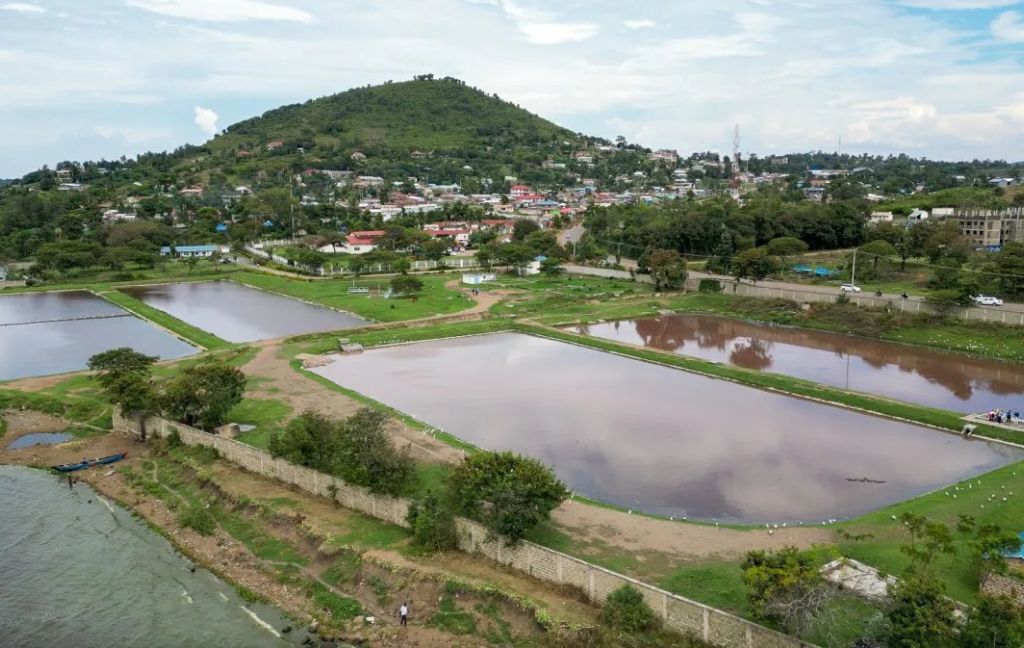
Water Pollution & Scarcity: Although bordering Lake Victoria, many residents lack clean water. Only ~65% have access to improved drinking water. Rural homes often use unsafe sources (polluted rivers or shallow wells), contributing to water-borne diseases (cholera outbreaks have recurred in Homa Bay). Sanitation is also low (49% access to improved sanitation), so surface and groundwater contamination is common. In the lake and streams, nutrients and wastes from households and farms fuel algal blooms and invasive water hyacinth, depleting oxygen and fish stocks. One county analysis noted deteriorating Lake Victoria water quality and declining fisheries as climate and pollution take a toll
Waste Management Problems: Urban and market areas suffer from inadequate waste collection. Plastics and refuse accumulate on streets and in drainage. Open dumps and clogged sewers contribute to disease and flooding. County reports acknowledge “environmental hygiene” is below targets. Solid waste infrastructure is limited, prompting local clean-up campaigns.
Biodiversity Loss and Other Issues: Apart from deforestation, Homa Bay’s unique wetlands (e.g. Lambwe Valley, Kodera Forest) and Lake islands face degradation. Invasive species and overfishing have reduced native fish and bird species. Human-wildlife conflict (e.g. crop raiding by hippos) and wildlife habitat loss are emerging concerns. Health impacts from environmental change—malaria, other climate-sensitive diseases, even HIV/AIDS complications—are noted in county climate reports.Recent Developments and Trends
-
Climate Action Mainstreaming: Homa Bay has rapidly built climate governance capacity. By 2023–24, it had established a full County Climate Change Secretariat, climate committees at all ward levels, and even drafted a Climate Finance Policy. In late 2023 it opened the Climate Information Center, fulfilling a pledge in the 2023–27 Action Plan. These moves illustrate a strong trend toward evidence-based planning and inter-department coordination. The 2024 budget review noted Homa Bay “outperformed the national average in climate readiness”.
-
Infrastructure and Services: The county has accelerated infrastructure spending in water and environment. Several new water schemes came online in 2023–24. Towns like Kendu Bay and Ndhiwa are acquiring land for municipal dumpsites (funded in 2023). Solar streetlights were installed (e.g. 14 lights in Ndhiwa) and plans for solar panels in markets and facilities. This indicates a shift to decentralized, green infrastructure.
-
Community Engagement: There is a growing grassroots movement around environmental issues. For example, the county’s participatory climate risk assessment (2023) engaged hundreds of locals in mapping hazards and solutions. The youth have formed environmental clubs, and women’s cooperatives are beginning tree-planting and water-harvesting initiatives. Such bottom-up activism is boosting awareness of environmental rights and responsibilities.
-
Technology & Innovation: Use of technology is rising. Apart from the climate centre, local radio and mobile platforms now broadcast weather advisories. NGOs and start-ups (like TomorrowNow) are piloting climate-smart apps. There is interest in precision farming and drone-based surveys for mapping degraded areas. The county government is also exploring smart meters for water use and sensors for early flood warning in Lake RCEA upstream.
-
Emerging Challenges: Despite progress, new issues are surfacing. Rising lake levels (possibly due to climate) have started causing erosion in low-lying communities. Illegal logging persists covertly in some hills. The growth of rice and sugarcane cultivation in the basin has increased agro-chemical runoff into water bodies. The county monitors these trends closely; for example, it participates in basin-wide programs to control pollution in Lake Victoria.